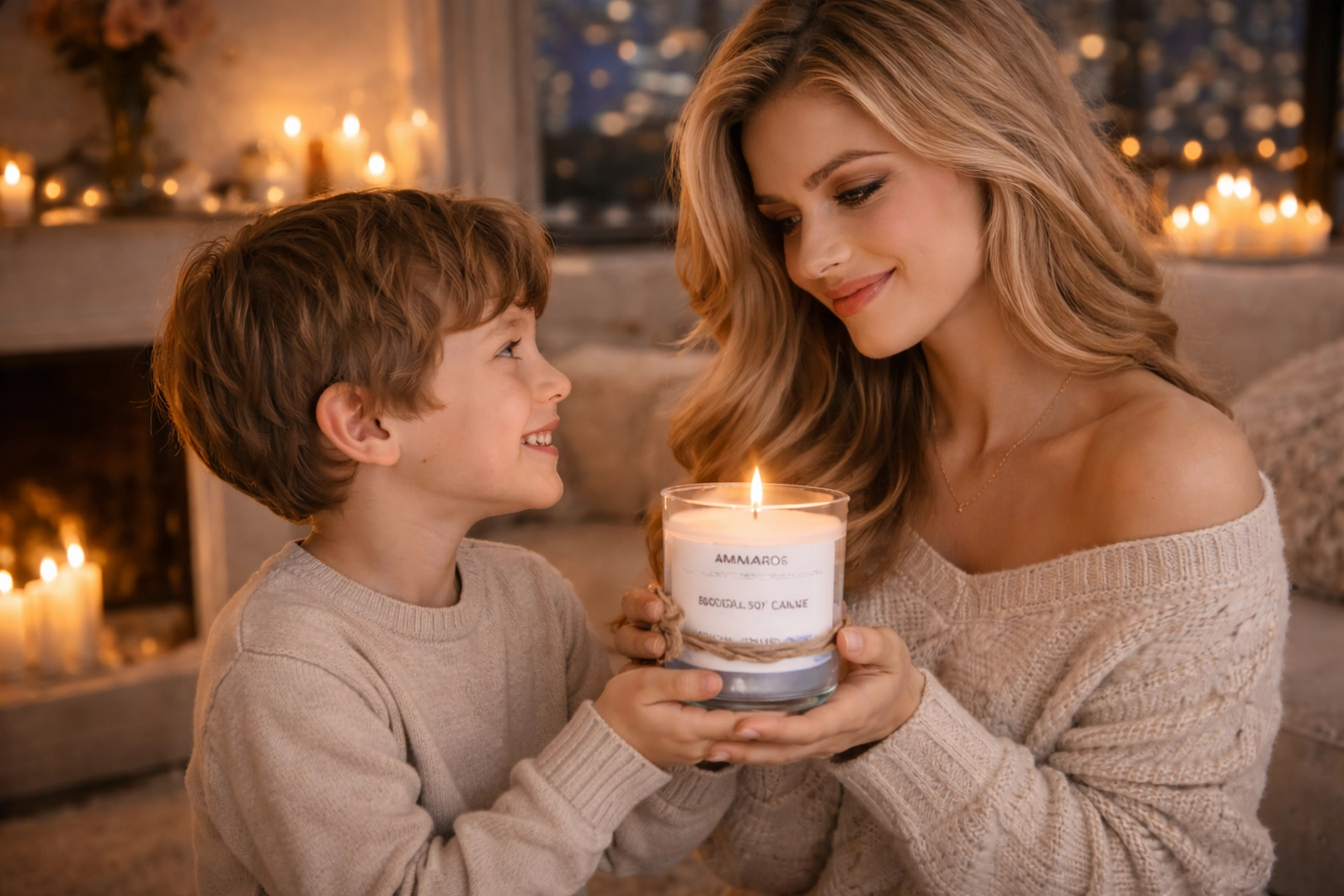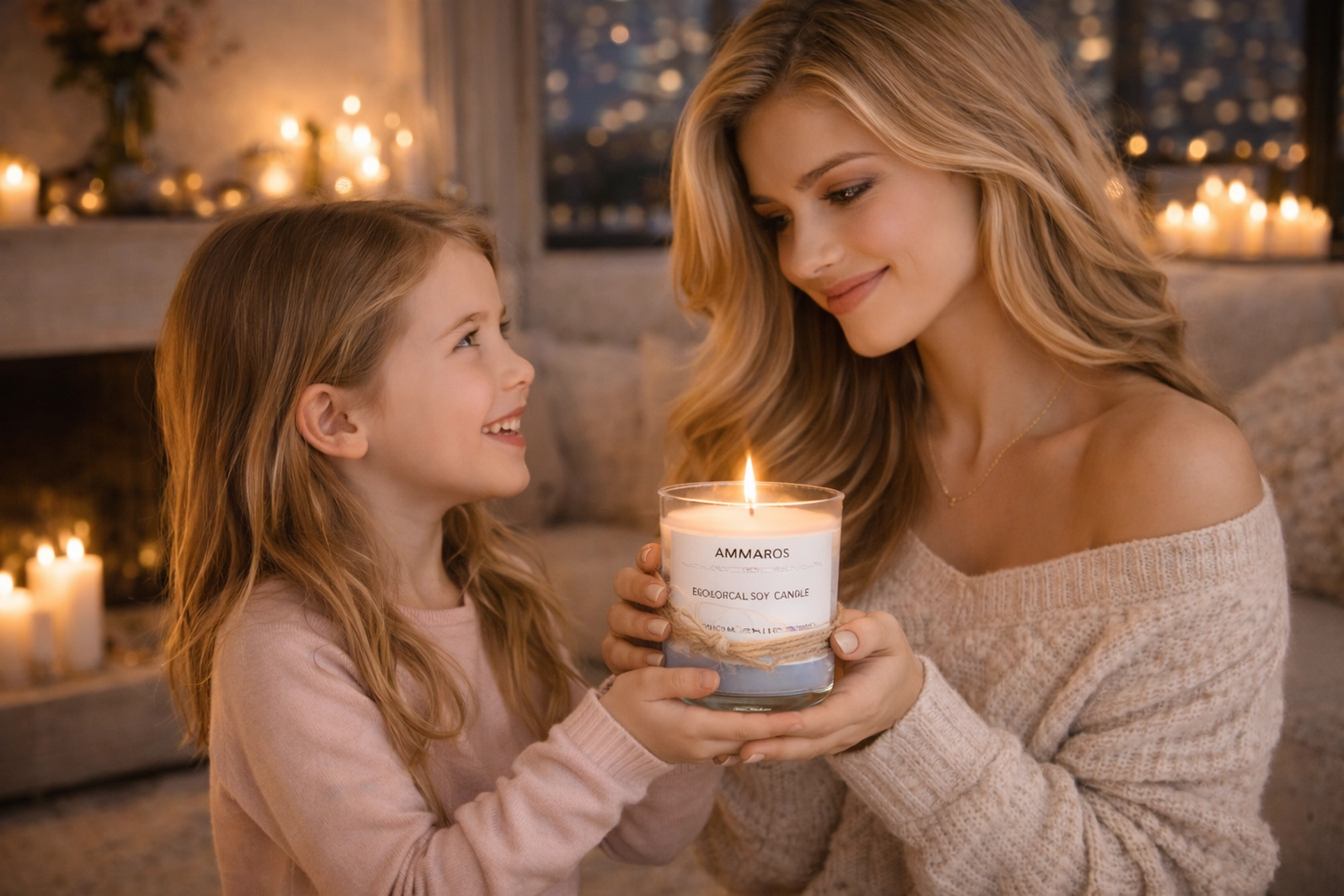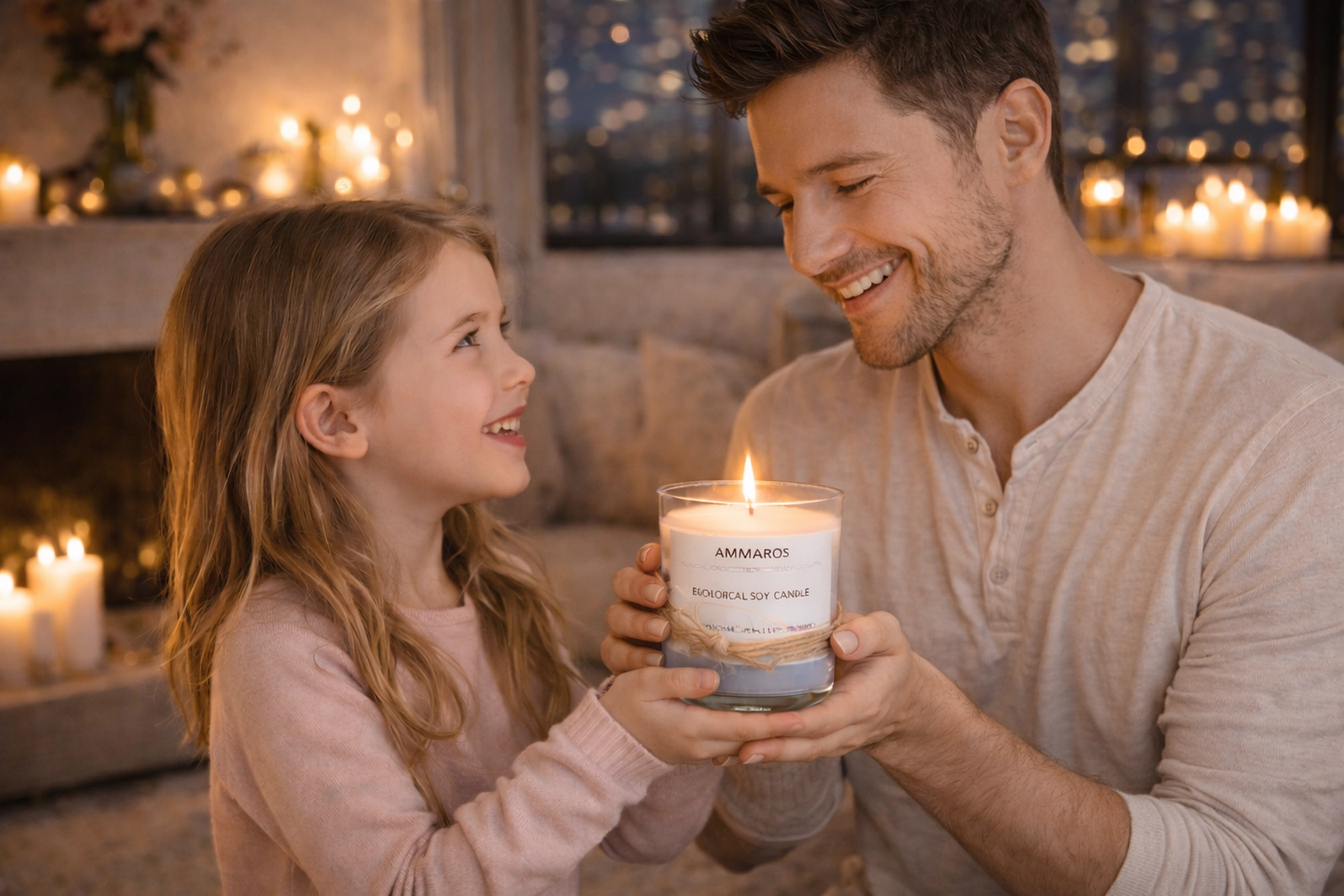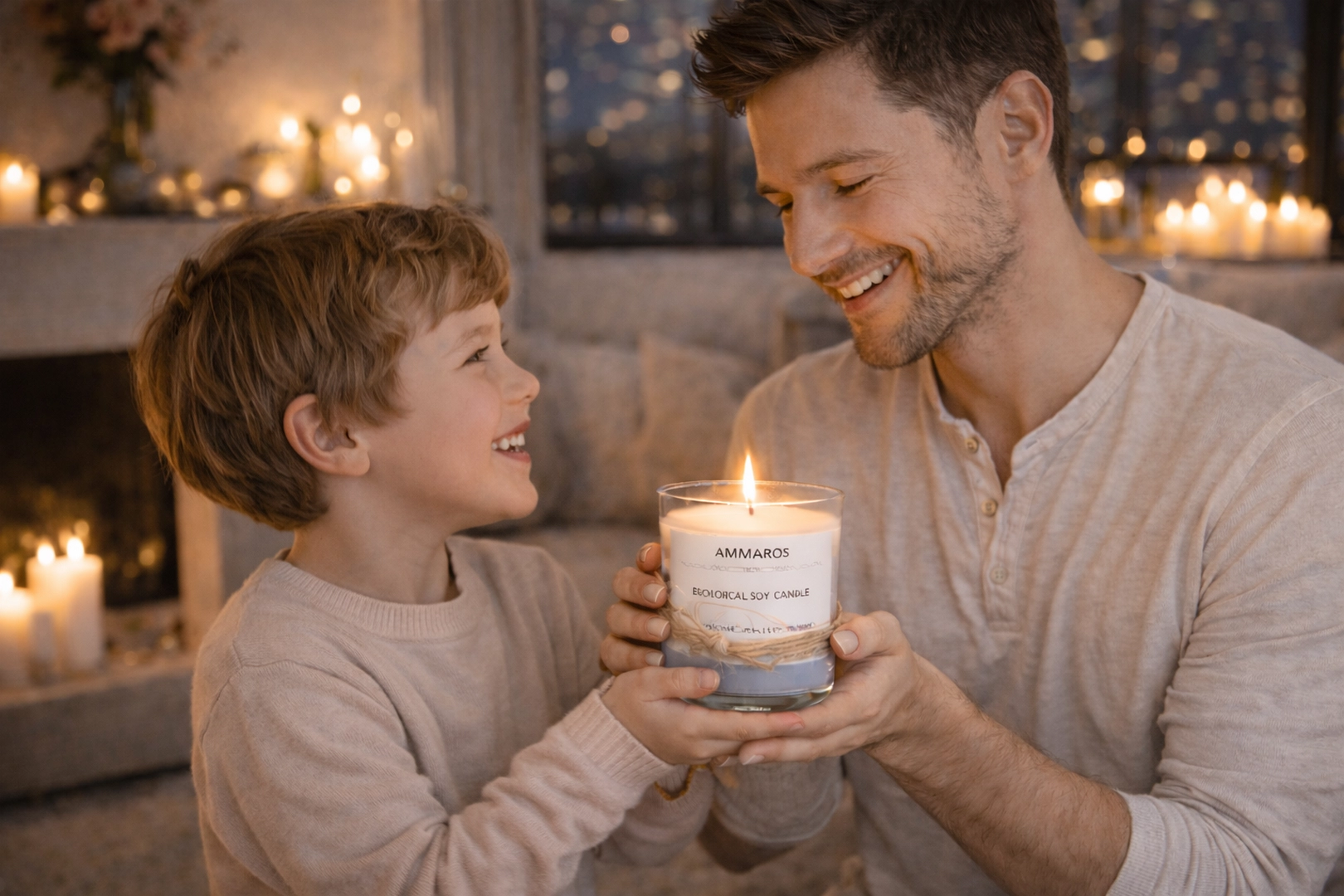
Evenings can feel like a blur—homework or work, screens, notifications, chores, tomorrow’s plans, and that lingering sense that the day never truly “ended.” A candle ritual is a gentle way to draw a clear line between daytime momentum and nighttime ease. It’s not about perfection or complicated routines. It’s about creating a small, repeatable moment that tells your body and mind: you’re safe, you’re home, you can soften now.
A candle helps because it’s a signal you can see. The warm glow changes how a room feels. The scent can nudge memory and mood. The act of lighting it becomes a simple ceremony—an intentional pause. With time, that pause becomes a habit, and the habit becomes a calmer evening rhythm.
What a Candle Ritual Really Is
A candle ritual is a short sequence you repeat most evenings. The sequence can be as small as lighting a candle and taking three slow breaths. Or it can include a playlist, journaling, stretching, tea, reading, or quiet conversation. The candle is the anchor. Everything else is optional and flexible.
The goal isn’t to “do it right.” The goal is to make evenings feel more like yours—less rushed, less scattered, more steady. A good ritual leaves you feeling restored, not pressured.
Choose Your Evening Intention
Before you pick scents or playlists, decide what you want your evenings to support. A ritual works best when it matches your real life. Pick one intention that feels useful right now and let it guide your choices.
You might want evenings that feel quieter and slower. You might want to reset your mind after a noisy day. You might want to feel more cozy, more motivated to read, or more connected to family. You might want a gentle wind-down that helps you sleep better. Any of these intentions can shape a ritual that fits you.
Pick the Right Candle for the Mood
Think of candle scent like background music. It shouldn’t overpower the room. It should set the tone. If you’re sensitive to strong fragrances, choose a lighter scent or burn the candle for a shorter time. If you love a rich scent experience, choose something layered and warm.
For a cozy, comforting evening, look for notes like vanilla, amber, sandalwood, tonka, soft woods, or gentle spices. For a clean “reset” feel, try lavender, eucalyptus, rosemary, mint, or airy linen-style blends. For a bright, uplifting evening that doesn’t feel sleepy, citrus, bergamot, neroli, or light florals can help the room feel fresh.
If you want your ritual to be consistent, pick one signature candle and keep it for evenings only. Over time, your brain starts associating that scent with relaxation. If you prefer variety, choose two candles—one for early evening “reset” and one for later “wind-down.”
Set Up a Ritual Corner
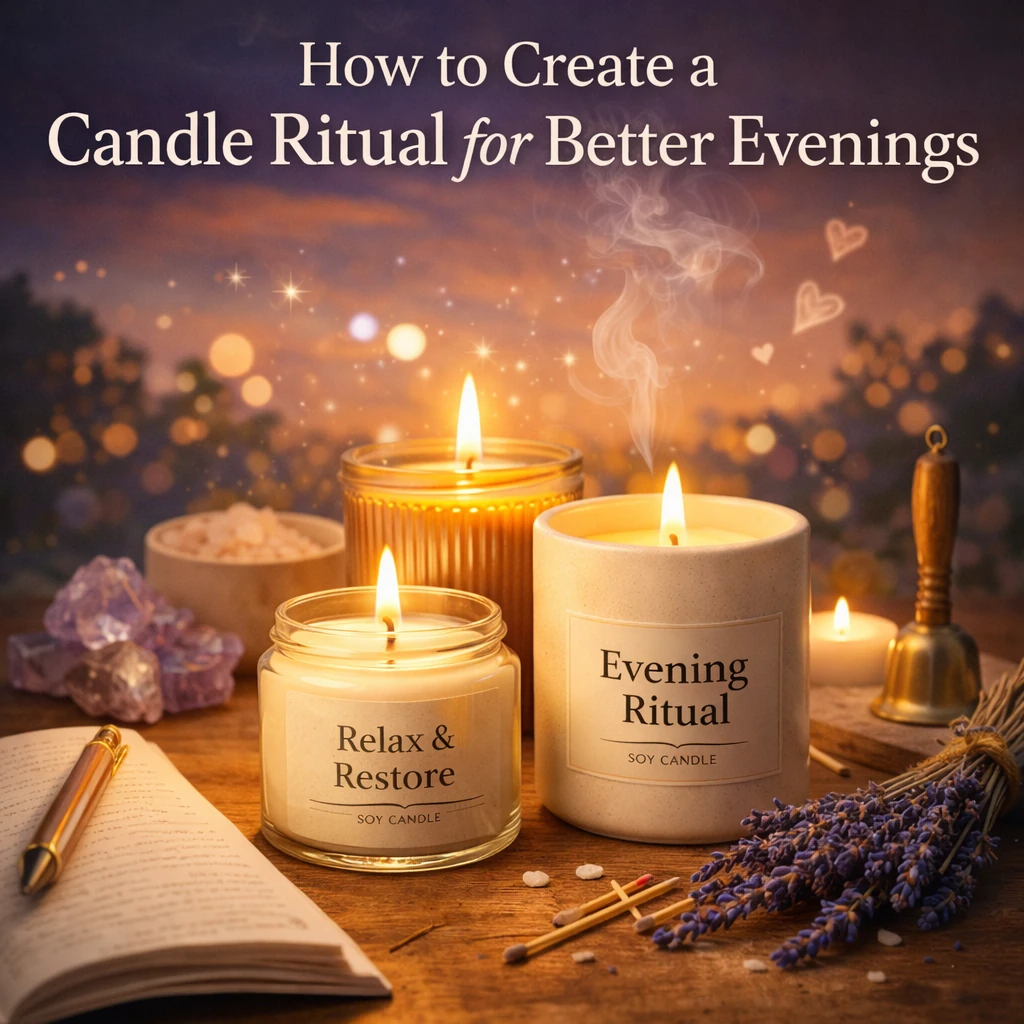
A ritual doesn’t require a perfect room, but a dedicated spot makes it easier to repeat. Choose a small surface: a side table, a desk corner, a shelf, or a tray on a coffee table. Keep your candle there along with a lighter or matches and one or two items that support your intention.
A small tray can make the setup feel intentional and tidy. Add a coaster or heat-safe plate for the candle. Consider one calming object: a book you’re reading, a journal and pen, a mug for tea, or a small bowl for jewelry so you can “take off the day.” The point is simplicity. When everything is within reach, the ritual becomes effortless.
Create a Beginning That Feels Like a Switch
The opening moment matters because it signals a transition. Treat lighting the candle as a tiny doorway between daytime and evening. The simplest beginning is a short pause before you light it.
Stand or sit comfortably. Relax your shoulders. Take a slow breath in, then a longer breath out. Let your eyes rest on the candle for a second. Then light the wick and watch the flame settle. That’s it. You’ve already changed the pace.
If you want a stronger “switch,” pair the candle with one quick action: wash your hands, change into comfortable clothes, put your phone on silent, or dim the main lights. Small physical cues tell your nervous system the day is shifting.
Build the Middle: Choose One Calming Practice
The middle of your ritual is what you do while the candle is burning. Keep it simple. One practice is enough. When you add too many steps, it becomes a project instead of a comfort.
If your evenings feel mentally crowded, try a short journal prompt. Write a few lines about what went well today, what you learned, or what you want to release. If your body feels tense, try gentle stretching—neck rolls, shoulder circles, a slow forward fold, or a short floor stretch. If you want a cozy, nourishing feeling, make a warm drink and sip slowly while you read a few pages of a book. If you want to feel connected, use the candle time for calm conversation, a shared snack, or a quiet game.
A candle ritual can also be a “low-noise” zone where you do something ordinary in a calmer way: folding laundry, preparing tomorrow’s bag, cleaning the kitchen, or setting out breakfast dishes. When the candle is lit, even practical tasks can feel steadier and more pleasant.
Make It Screen-Friendly Without Letting Screens Take Over
Many evenings involve screens, and that’s okay. The trick is to keep the candle ritual from becoming “scroll time.” If you want to include a screen, choose something intentional: a calming playlist, a guided meditation, soft background music, or a cozy video that doesn’t pull you into endless recommendations.
A simple boundary helps: once the candle is lit, avoid rapid-fire apps for a set window. If you use your phone for music, keep it face down and use one playlist you don’t need to touch. Let the candle be the focus, not the algorithm.
Design a Gentle Ending
Just like the beginning, the ending gives your brain closure. When the evening starts winding down, take a moment to notice how the room feels: the softer light, the calmer tone, the sense that you’ve arrived.
You can end your ritual with a simple phrase you repeat quietly: “The day is done,” or “I did enough,” or “Now I rest.” Then extinguish the candle carefully and let the smoke fade. That final moment acts like a soft period at the end of the day’s sentence.
Timing Tricks That Make the Habit Stick
A ritual becomes powerful when it’s easy to repeat. Pick a time that naturally fits your routine. Some people light a candle right after dinner. Others do it after a shower, after homework, or when they finish cleaning the kitchen. Tie the ritual to something that already happens most nights.
Start with a short window so it feels achievable even on busy days. Ten minutes is enough. If you miss a night, don’t restart from scratch. Just light it the next evening. Consistency grows from returning, not from being perfect.
Use Scent to Match Your Evening Seasons
Your ideal evening mood can change with the weather and the season. In cooler months, many people crave richer, warmer scents and a deeper glow. In warmer months, lighter scents can keep evenings feeling airy and clean.
Rotating candles seasonally keeps the ritual fresh while staying familiar. You’re still doing the same calming practice, but the atmosphere adapts to the time of year. That small variation can make evenings feel special again, even when your schedule stays busy.
Make the Space Feel Softer, Not Perfect
A candle ritual isn’t a home makeover. It’s a mood shift. A few simple touches can help without turning it into a decorating project. Try dimming overhead lighting. Add a soft throw blanket where you sit. Keep a tidy surface near the candle so your eyes don’t land on clutter. Open a window for a minute if the room feels stuffy. Small changes can make a big difference.
If you share your space with others, talk about the mood you want to create. You can turn the ritual into a shared habit: a candle after dinner, a calmer voice, a short check-in conversation, or a quiet activity together. Even five minutes of shared calm can change the tone of the whole evening.
A Few Simple Ritual Templates You Can Copy
Some nights you’ll feel creative and some nights you’ll feel tired. Templates help you keep the ritual going without thinking too much. Choose one that fits your intention and adapt it to your life.
A cozy reset can be candlelight, a warm drink, and a chapter of a book. A calm mind ritual can be candlelight, slow breathing, and a short journal entry about what you want to release. A body unwind ritual can be candlelight, gentle stretching, and a few minutes lying on the floor with relaxed shoulders. A tidy-and-quiet ritual can be candlelight while you clean one small area, then stop and enjoy the room for a moment. A connection ritual can be candlelight during a calm conversation, a card game, or a shared snack with no loud distractions.
Keep It Safe and Stress-Free
A ritual should feel soothing, and safety keeps it that way. Place the candle on a stable, heat-safe surface away from anything that can catch easily. Give the candle space to breathe—open air around it helps it burn cleanly. Keep it where it won’t be bumped. If you’re going to leave the room, extinguish it first. A calm routine is easier when you never have to worry about accidents.
If you prefer a flame-free option on certain nights, you can still keep the ritual by using a candle warmer or a flameless candle with a similar warm glow. The ritual is the signal and the softness it creates, not just the flame itself.
Let the Ritual Grow With You
The best candle ritual is one that evolves as your evenings change. Some weeks you’ll want silence. Other weeks you’ll want music. Some nights you’ll want to reflect. Other nights you’ll just want comfort. Keep the candle as your constant and let the rest be flexible.
When you repeat a small act of intention, your evenings start to feel less like leftover time and more like a space you chose. The light becomes a familiar friend, the scent becomes a quiet cue, and the day ends with a softer landing. Over time, that steady rhythm can make nights feel warmer, calmer, and more yours—one flame at a time.