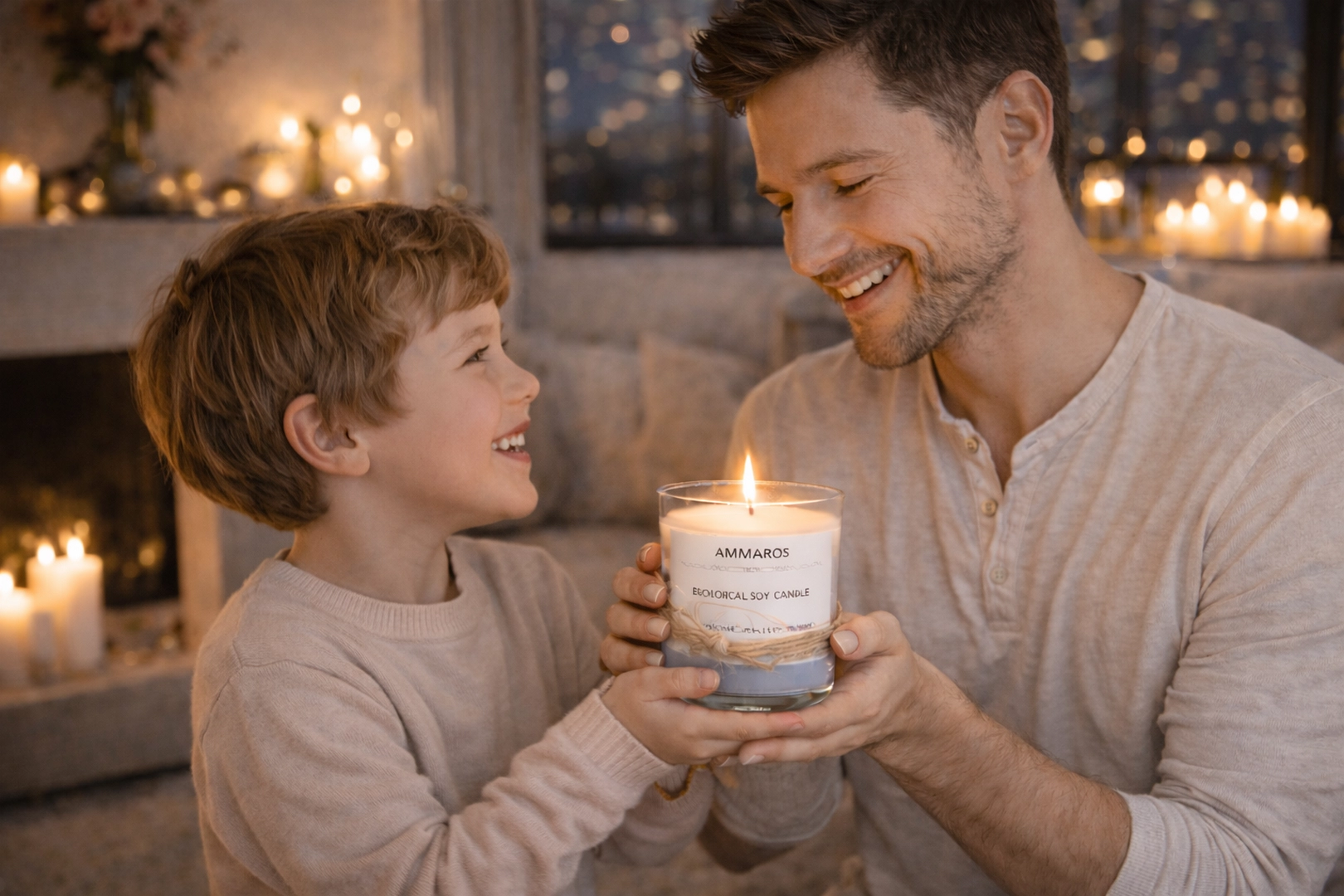
Cold weather changes the way a home feels. The air gets drier, windows stay shut longer, and rooms can pick up “winter odors” from wet coats, cooking, heaters, and closed-off airflow. A well-chosen soy candle can do more than “smell nice”—it can set the emotional tone of a space, reinforce cozy routines, and make a small room feel like a warm cabin even if you’re in the middle of a city. The key is choosing fragrances and candle specs that actually perform in winter conditions: low humidity, less ventilation, and longer indoor hours.
This guide focuses on soy candles specifically because they align well with the way many people use scent in cold seasons: longer burn sessions, steady fragrance presence, and a softer, comforting aroma profile. You’ll also find practical selection tips, layering ideas, and usage habits that help you get a clean, consistent experience without overpowering the room.
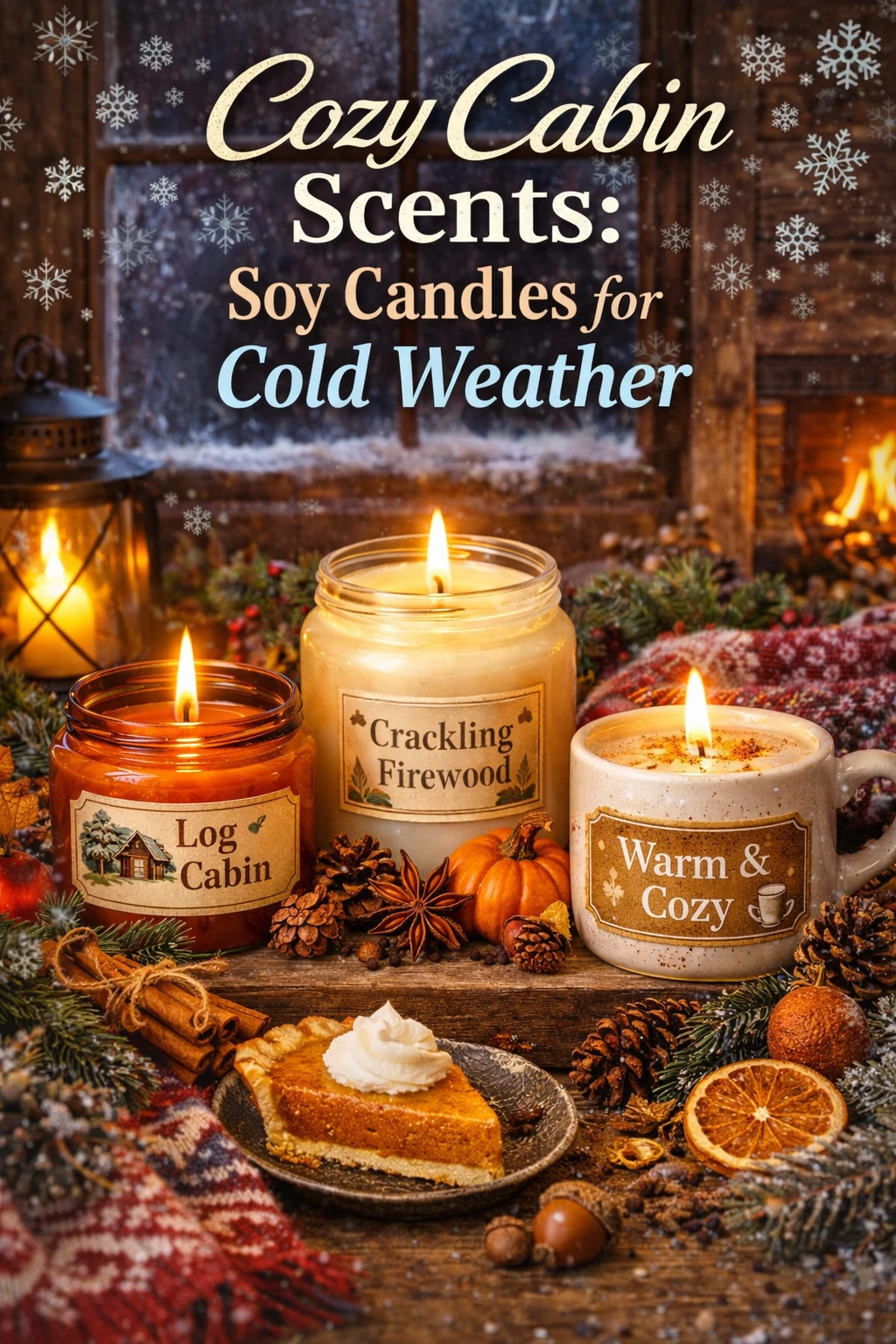
Why “Cozy Cabin” Scents Hit Different in Winter
Our brains link scent to memory more strongly than almost any other sense. In cold weather, we instinctively seek cues that signal comfort: warmth, safety, food, wood, and familiar textiles. “Cozy cabin” fragrances tend to revolve around those cues—vanilla warmth, resinous evergreens, smoky woods, soft spices, and gentle gourmand notes.
Winter also changes scent perception. Cooler indoor temperatures and closed windows can make fragrance linger longer. That means a scent that feels perfectly balanced in summer might feel heavy in winter, or the opposite: a scent that’s subtle in warm months can suddenly feel perfect when the air is crisp and still. The goal is controlled richness—warm and enveloping, not cloying.
What Makes Soy a Great Fit for Cold-Weather Burning
Soy wax is often chosen for its slower burn and smooth melt pool behavior when the candle is made correctly. In colder months, many people burn candles for longer stretches—during evening downtime, weekend mornings, or while working from home. A candle that supports longer sessions without turning harsh becomes more important.
A quality soy candle can deliver a steady scent experience over time, especially when paired with the right wick and a well-tuned fragrance load. The “cozy cabin” vibe is less about a blast of fragrance and more about a continuous atmosphere, like a soft soundtrack in the background.
The Core Cozy Cabin Scent Families
Cozy cabin scents usually fall into a few families. Knowing these families helps you shop faster and avoid buying candles that sound cozy but end up smelling sharp, overly sweet, or too cologne-like for your space.
Evergreen and Forest Air
Think pine needles, fir balsam, spruce, cedar tips, and “winter forest” blends. These can feel fresh and clean without turning into household cleaner territory—when they’re balanced with resin, wood, or a soft amber base. Evergreen scents work especially well near entryways, living rooms, and places where coats and shoes collect.
For a cabin feel, look for blends that include notes like cedarwood, moss, resin, or a hint of smoke. These additions keep evergreen from feeling too “holiday-only” and extend it into a full winter season scent.
Wood, Resin, and Fireplace
Cabin comfort is often built on wood notes: cedar, sandalwood, oak, birch, and sometimes leather or resin. Fireplace-style fragrances can be wonderful, but they’re also the easiest to get wrong. Some “smoke” accords lean sharp or ash-like. The best versions smell like warm wood and faint embers rather than a literal smoky room.
If you love this category, consider layering: choose one candle that is primarily wood (cedar/sandalwood) and another that is “smoke + amber.” Burning them at different times of day can keep the vibe cozy without turning your entire home into a campfire.
Spiced Warmth
Cinnamon, clove, cardamom, nutmeg, and ginger can instantly signal warmth—like mulled drinks or baked desserts. The trick is balance. Spices can dominate quickly in closed rooms. A more “grown-up cozy” spiced candle usually includes vanilla, amber, tonka, or creamy woods to round off the edges.
If you’re sensitive to strong spice, choose blends labeled “soft spice,” “chai,” or “amber spice” rather than “cinnamon” as the headline note. You’ll get warmth without the sharpness.
Gourmand Comfort
Gourmand scents include vanilla, caramel, cocoa, coffee, toasted sugar, and bakery notes. They’re cozy, familiar, and often crowd-pleasers. But they can also become overwhelming if they’re too sweet or if the candle is very strong.
For a cabin vibe, look for gourmands with “texture”: vanilla + woods, cocoa + amber, coffee + cream, or caramel + sea salt. These keep the scent warm and cozy without turning it into pure candy.
Amber, Musk, and Cashmere
“Cashmere,” “warm musk,” “amber glow,” and “soft suede” style scents are the quiet champions of cold weather. They create an enveloping warmth that feels like blankets and soft lighting. These are ideal for bedrooms, reading corners, and evenings when you want calm rather than excitement.
If you’re building a winter candle lineup, consider making one of these your daily driver. They’re versatile, layer well with other categories, and rarely feel seasonal in a narrow way.
Picking the Right Candle for Your Room Size
Cold-weather burning often happens in “zones”—a living room in the evening, a kitchen on weekend mornings, a bedroom during wind-down. The same candle can feel perfect in one room and overpowering in another. The simplest approach is matching candle size and strength to the space.
Smaller rooms typically do best with smaller candles or softer scent families (amber/musk/cashmere, gentle vanilla woods). Large open spaces can handle stronger profiles like evergreen woods or spiced blends. If you only buy one winter candle, pick a balanced profile that won’t overwhelm when the windows are closed.
How to Get a Clean, Cozy Burn in Cold Weather
Winter can change burn behavior because rooms are cooler and airflow patterns shift (heaters, fans, drafty windows). A few habits make a noticeable difference in performance, scent, and overall experience.
Start each burn with a “steady session.” The first burn matters because it helps set the candle’s melt pattern. Allow enough time for the wax to form a full melt pool across the top so the candle burns evenly over its life. In cold rooms, this can take longer, especially for larger jars.
Keep the wick trimmed. A wick that’s too long can create excess soot, a taller flame, and a harsher scent throw. A trimmed wick tends to burn more cleanly and preserves the intended fragrance character—especially important for wood, smoke, and spice notes that can become sharp when overheated.
Avoid heavy drafts. A candle placed near a doorway, a vent, or a fan can tunnel, flicker, and burn unevenly. For cozy cabin atmosphere, place your candle where the flame can stay calm—on a stable surface away from direct airflow.
Scent Layering: Turning a Home Into a Winter Cabin
Professional “cabin atmosphere” usually comes from layered scent, not one aggressive fragrance. You can mimic that effect with simple pairing logic. The idea is to pick one “base” scent that feels like warmth and one “accent” scent that adds character.
Pair evergreen with amber. The forest note feels crisp and natural, while amber turns it into a lived-in room with warm light.
Pair vanilla with woods. Vanilla provides comfort, woods provide structure. Together they feel like warm desserts and cedar beams.
Pair gentle spice with creamy notes. Chai-style spice becomes more cozy when softened by vanilla, tonka, or “cream” accords.
Pair smoke lightly. If you love fireplace scents, use them as an evening accent rather than an all-day burn. Rotate them with soft cashmere or amber for balance.
Cozy Cabin Scent Ideas by Mood
Quiet Snowfall
Choose soft musk, cashmere, gentle vanilla, or “clean woods.” This mood is minimal, calm, and perfect for reading or late-night wind-down. It feels like fresh blankets and warm light rather than food or spice.
Weekend Cabin Morning
Choose coffee, cocoa, toasted vanilla, or a bakery note paired with a hint of wood. This mood is cozy and familiar without becoming too sweet. It fits breakfast, slow mornings, and the feeling of staying home on purpose.
After-Sunset Firelight
Choose cedar, amber, resin, or a subtle fireplace blend. This mood is deep, warm, and atmospheric. It works well for living rooms and evenings when you want the scent to feel like part of the décor.
Winter Festive Without “Holiday Only”
Choose evergreen + citrus peel, soft spice + amber, or vanilla + pine. These feel seasonal and uplifting without being locked to a single holiday week. They’re ideal if you want winter energy but still want to burn the candle into late February and beyond.
What to Look for on a Candle Label
A cozy cabin candle is as much about performance as it is about the scent list. Look for practical details that signal the candle was designed for a good burn, not just a good description.
Pay attention to jar size and recommended burn time per session. A candle that’s intended for longer burns will usually perform better for winter routines.
Look at the scent notes and try to spot the “base.” Many cozy cabin fragrances include a base like amber, vanilla, tonka, or woods. That base is what keeps the candle comforting rather than sharp.
If the label lists a very high number of loud notes (all spices, all sweets, all intense aromatics), expect it to be strong. In small rooms, that can be too much. In larger spaces, it can be perfect.
Common Mistakes That Ruin the Cozy Vibe
Burning a candle too briefly is one of the fastest ways to end up with tunneling and inconsistent performance. In winter, it’s tempting to light a candle “for a few minutes” and then blow it out. A better approach is fewer sessions, longer sessions.
Over-scenting a small room can also backfire. A cozy cabin scent should feel like an atmosphere, not a fragrance bomb. If you get headaches or feel the scent coating your throat, choose a softer family (amber/cashmere, vanilla woods) and scale down the candle size.
Finally, don’t ignore placement. A candle on a drafty windowsill may look cute but burn poorly. Move it to a stable, calm spot and you’ll notice the difference immediately.
Building a Simple Winter Candle “Wardrobe”
If you want your home to feel consistently cozy all winter, a small rotation works better than one candle used for everything. A practical lineup can be just three candles: one soft daily scent, one fresh forest scent, and one deep evening scent.
A soft daily scent might be cashmere, warm musk, or vanilla woods. A fresh forest scent might be fir, pine, or cedar evergreen. A deep evening scent might be amber resin, smoky woods, or a spiced amber blend. With those three, you can match your scent to mood and avoid becoming nose-blind to a single fragrance.
Final Thoughts: Cozy Is a System, Not Just a Smell
The best cozy cabin experience comes from pairing scent with winter rituals: warm lighting, a blanket, a hot drink, quiet music, and a candle that burns steadily and comfortably. Soy candles can be a strong match for cold-weather living because they support longer, slower moments—exactly what winter asks for.
Choose a scent family that fits your space, keep your burn habits consistent, and think in layers. When you do, the candle stops being a product and becomes part of the room’s identity—like a cabin you can create anywhere, even on the coldest nights.