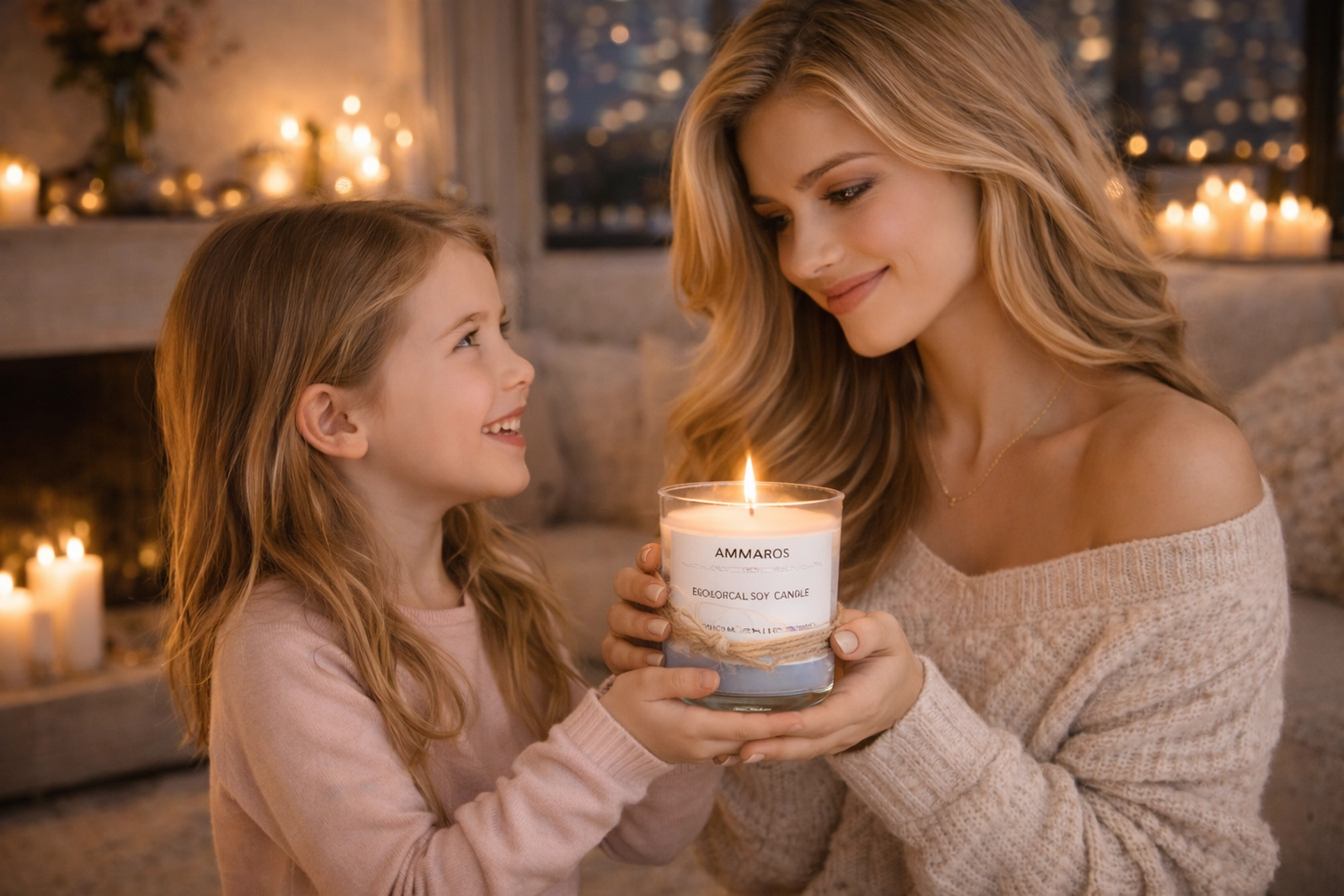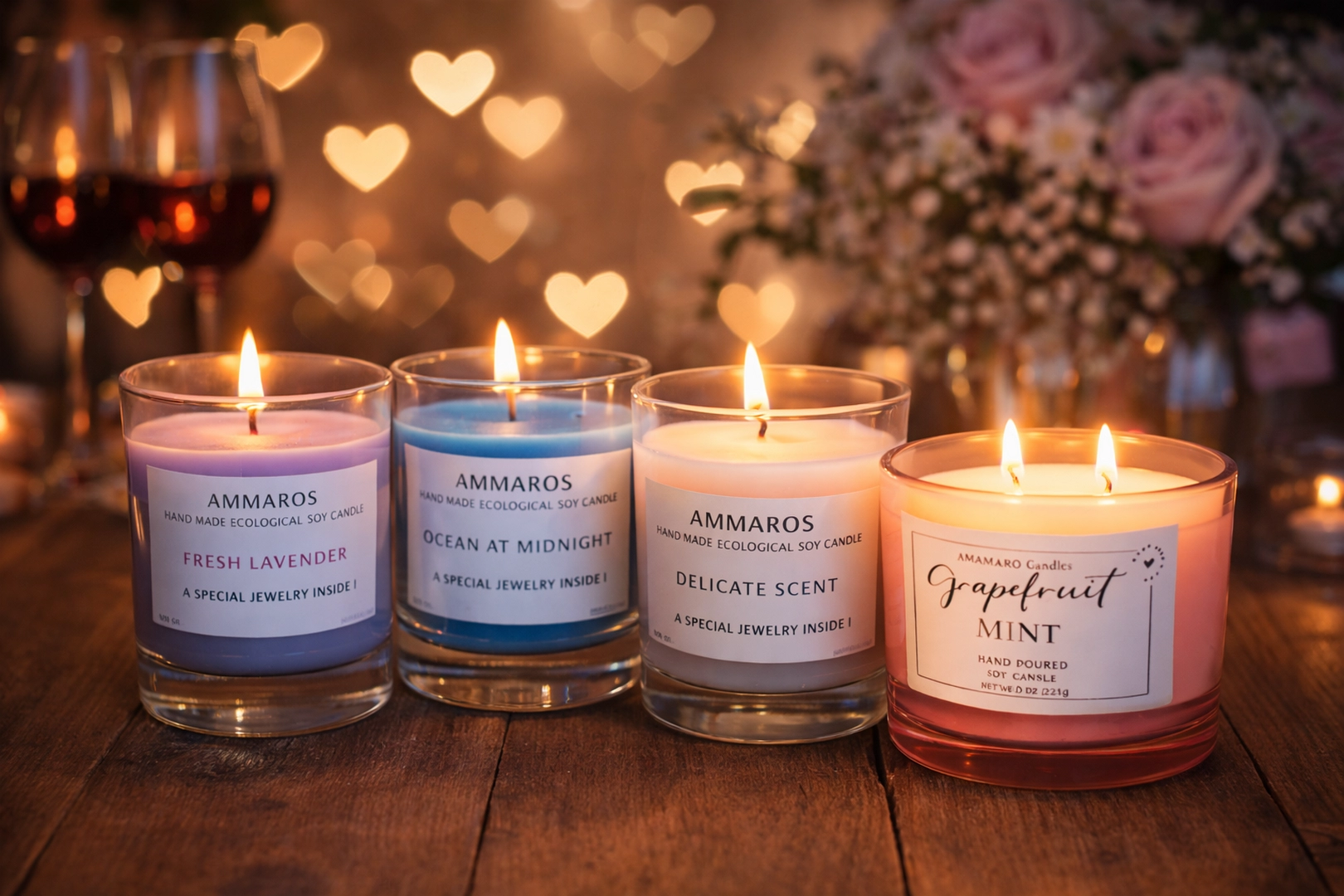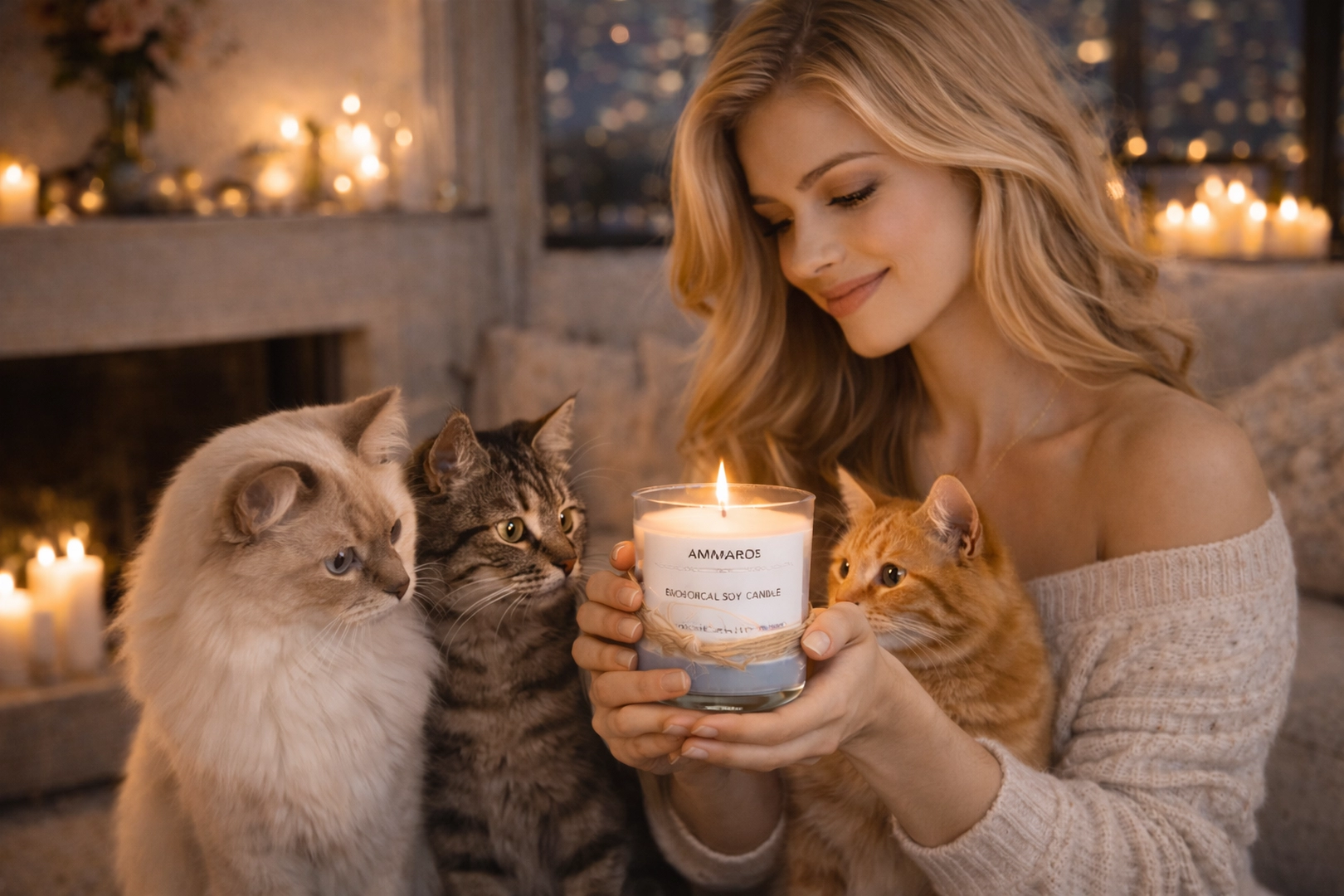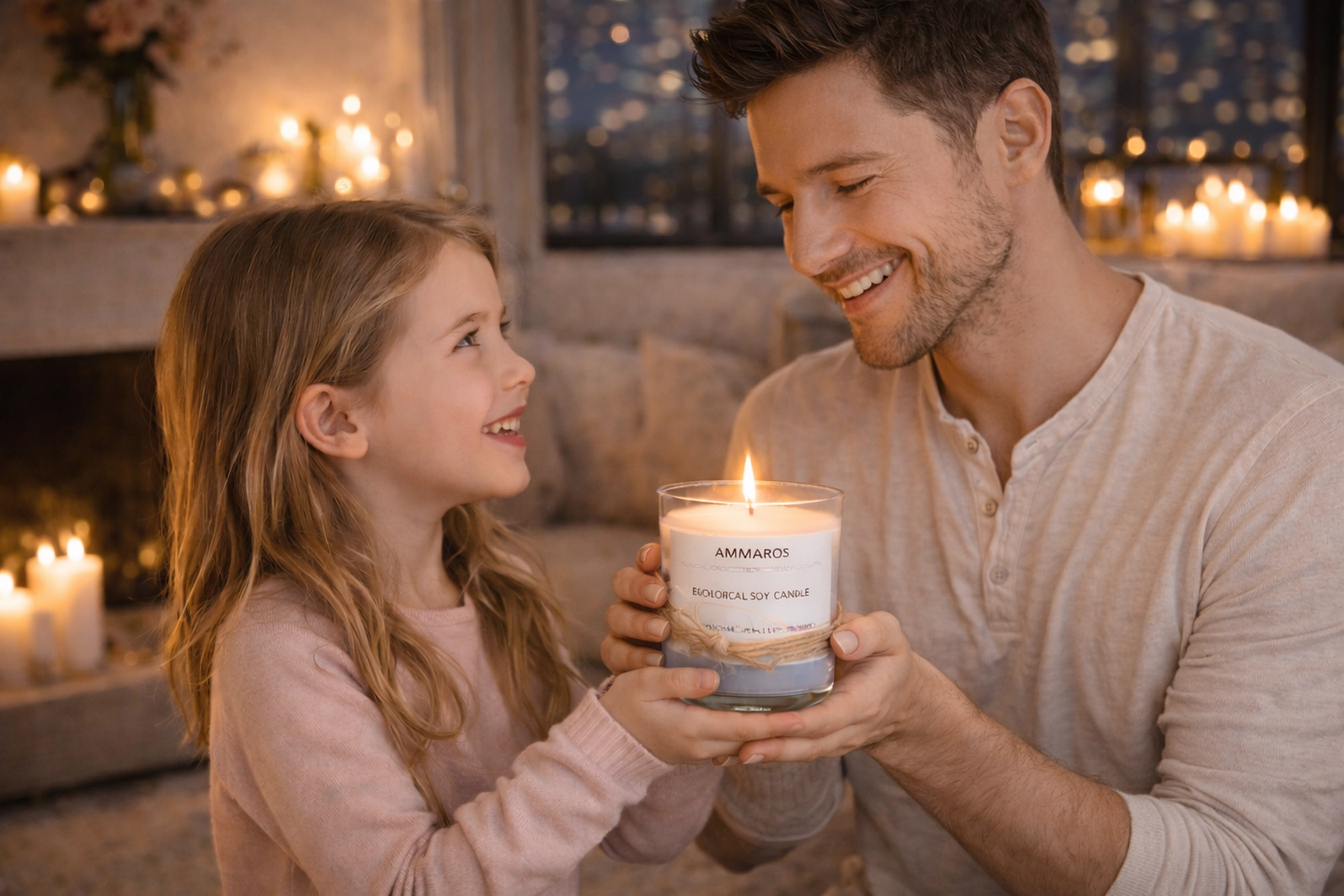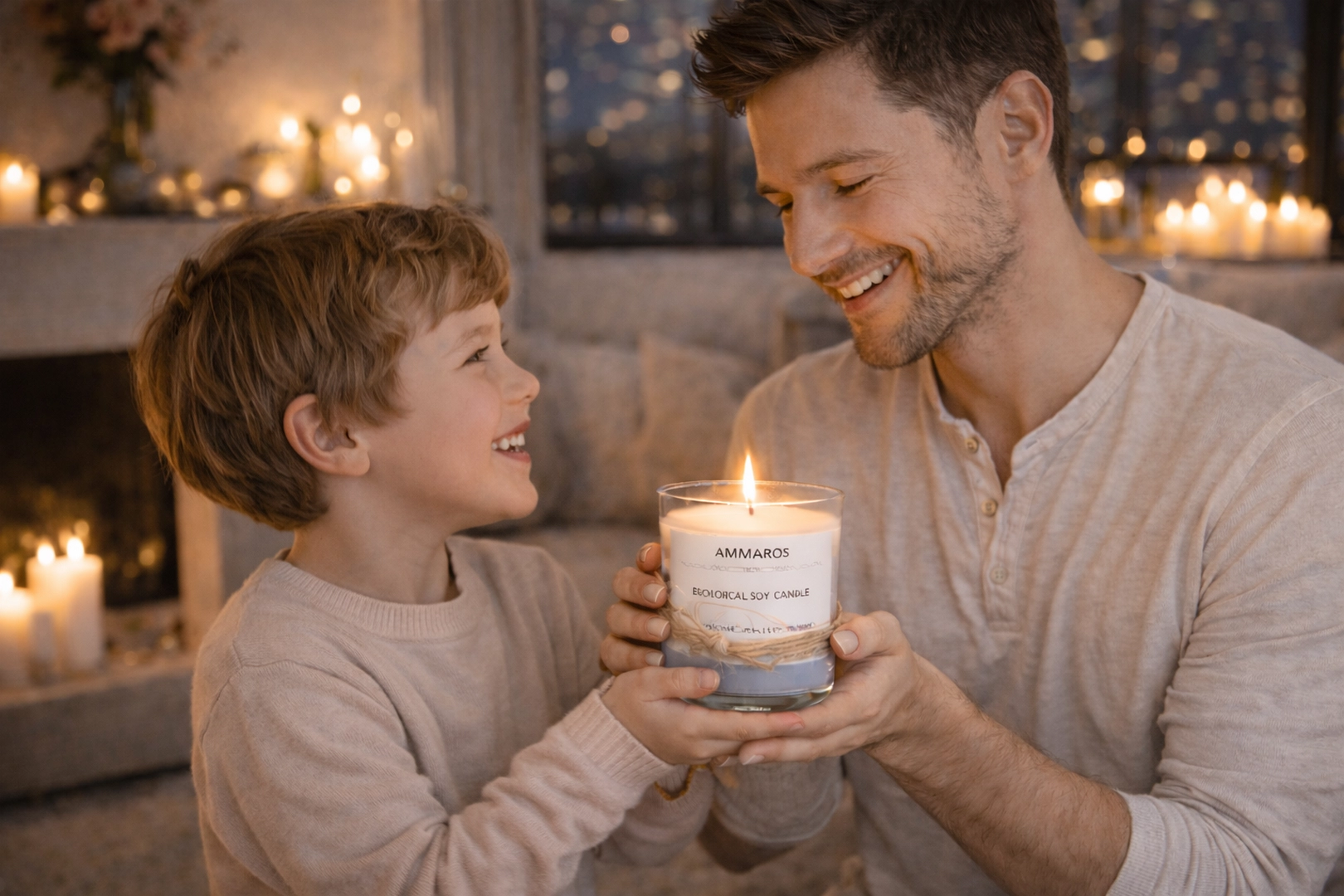
Soy candles are loved for their cozy glow, softer scent throw, and clean, modern look on a shelf or coffee table. But “natural” doesn’t automatically mean “risk-free.” Any open flame deserves respect, and the best candle experience is the one that’s both beautiful and boring—steady burn, predictable melt pool, and no surprises. This guide walks through practical, everyday safety rules that protect your home, your air quality, and the people around you while also helping your candle burn better and last longer.
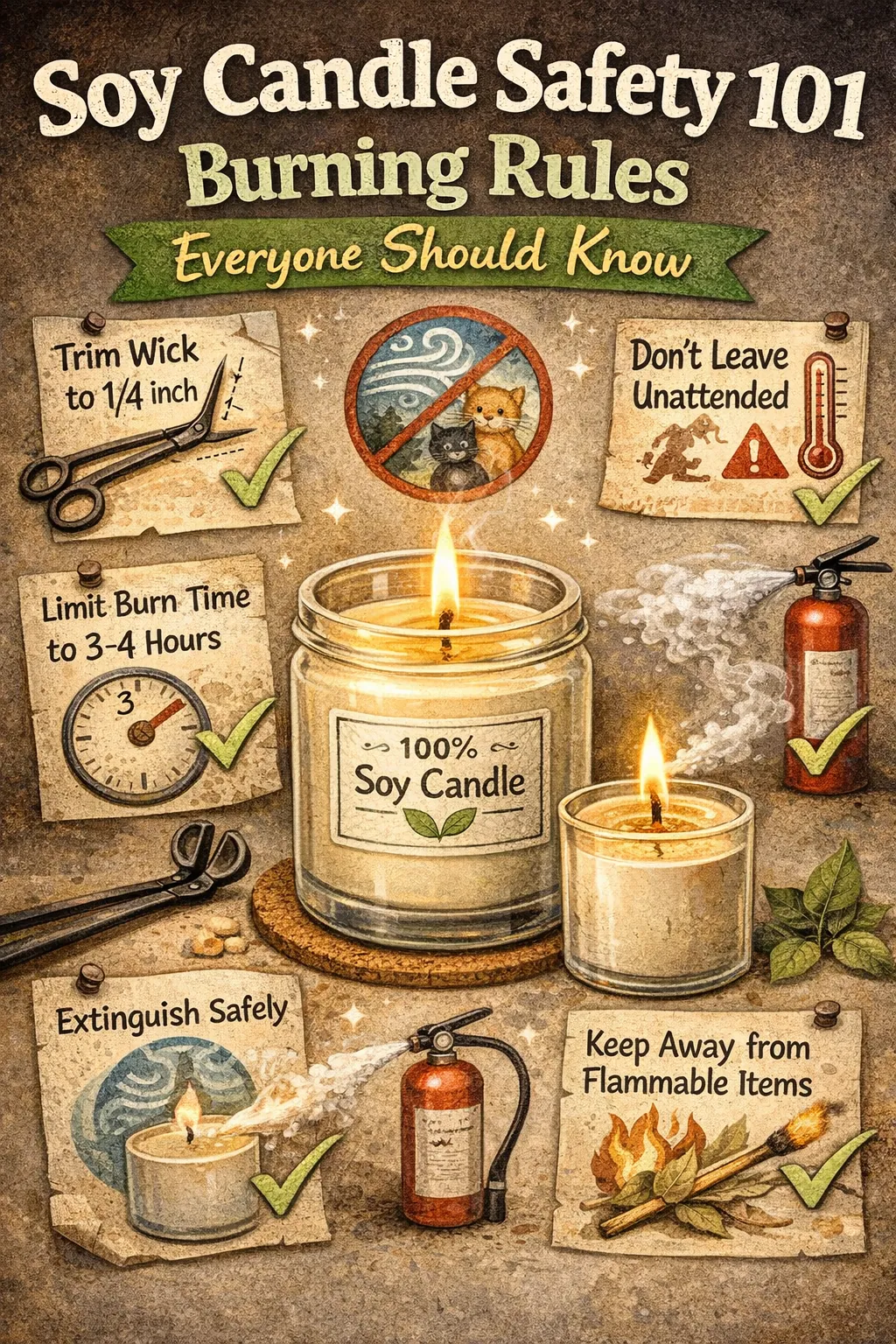
Start With a Safe Setup
Most candle problems begin before the first match is struck. A safe setup is about choosing the right spot, using the right surface, and giving the flame the space it needs to behave. Place your soy candle on a stable, heat-resistant surface that won’t warp or discolor. Avoid wobbly shelves, soft fabrics, or anything you’d be upset to stain. Even a small tilt can cause the wax to pool unevenly, and uneven pooling can push the flame closer to the glass or container wall.
Keep candles away from curtains, paper, books, throw blankets, and decorative dried flowers. A candle doesn’t have to tip over to cause trouble—heat rises, and nearby items can warm gradually. Over time, that warmth can dry out materials and make them easier to ignite. Give the candle breathing room in all directions, and don’t tuck it into tight corners where heat can build.
Airflow matters. A gentle, consistent room temperature is ideal. Strong drafts from open windows, ceiling fans, air conditioners, or heaters can bend the flame, push it toward the container, and cause flickering smoke. Drafts can also create a “tunnel” burn where the wax melts unevenly and leaves thick walls around the edge.
Choose Containers and Holders That Can Handle Heat
Many soy candles come in glass jars, tins, or ceramic vessels. While most are designed for candle use, not all containers are equal. Use candles in containers intended for candle burning—thick, heat-safe glass or properly glazed ceramic. Decorative containers that look candle-ready may not be engineered for repeated heating cycles, which increases the risk of cracking.
If you’re using a pillar candle or a candle without a container, always place it on a sturdy holder with a wide base and a lip to catch melting wax. A soy blend pillar can soften, and the edges can slump as it warms. That melt needs somewhere safe to go.
The Golden Rule: Never Leave a Burning Candle Unattended
This is the rule that overrides all others. If you leave the room, even briefly, extinguish the candle. If you’re getting sleepy, extinguish it. If you’re stepping outside, extinguish it. It only takes a small unexpected event—an air gust, a pet jumping up, a curious child, or a wick that flares—to turn a peaceful moment into a mess.
If you want ambience while you’re not actively in the room, consider flameless alternatives for that time period. Save the real flame for when you can enjoy it with your attention nearby.
Trim the Wick Every Time
Wick care is safety care. A wick that’s too long can create a larger, unstable flame, produce soot, and make the container hotter than it should be. Before each burn, trim the wick to a short, neat length. This helps keep the flame controlled and reduces smoke and “mushrooming” (a carbon buildup at the tip of the wick).
If you notice the wick developing a dark, rounded tip or the flame is noticeably taller than usual, extinguish the candle, let it cool completely, and trim the wick before relighting. A clean wick promotes a steadier burn, a more consistent melt pool, and a better scent experience.
Burn Long Enough to Create an Even Melt Pool—But Not Too Long
One of the biggest practical secrets to a good soy candle burn is the “first burn.” Soy wax often needs time to form a full, even melt pool across the top. If you extinguish too early, the candle may “remember” that smaller melt area and keep tunneling in future burns, wasting wax along the sides.
Aim to burn long enough for the melted wax to reach close to the container’s edges. This is especially important on the first burn. After that, maintain the habit with consistent burn sessions.
At the same time, avoid marathon burning sessions. Burning too long can overheat the container, degrade fragrance, and stress the wick. A moderate burn session is usually the sweet spot: long enough for an even melt pool, short enough to keep everything stable.
Keep Flames Away From Drafts
Flickering flames aren’t just a vibe—they’re a warning sign. A candle flame should be calm and upright. If you see it leaning strongly, dancing aggressively, or producing visible smoke, the candle is likely dealing with airflow. Move it away from windows, fans, vents, and high-traffic walkways where air movement is constant. Drafts can also lead to uneven melting, which makes the wick behave unpredictably over time.
Watch for Overheating and “Container Hot Spots”
Candle containers get warm—that’s normal. But they shouldn’t become dangerously hot. If the jar or tin is too hot to comfortably touch, it’s time to extinguish the candle and let it cool. Overheating can happen if the wick is too large, the wick wasn’t trimmed, the candle is burning in a draft, or the candle has been burning too long.
Pay attention to the area near the top rim and along the sides. If you notice dark soot marks on the container, that often suggests an oversized or poorly maintained wick or an airflow issue. Soot is not what you want in a cozy room—treat it as feedback that something needs adjusting.
Keep the Wax Pool Clean
The melted wax pool should contain wax—nothing else. Keep matches, wick trimmings, dust, and decorative add-ins out of the candle. Foreign objects can act like extra fuel, interfere with the wick, or cause the flame to behave unpredictably. If a bit of wick trimming falls into the wax, let the candle cool and remove it before burning again.
Avoid using candles as a “decor tray” for dried flowers, herbs, crystals, or glitter. Even if it looks stylish, it can increase fire risk and create smoke. If you like that aesthetic, place the decoration around the candle—at a safe distance—rather than inside the wax.
Pets and Kids: Create a Clear Safety Zone
Curiosity is powerful. Children and pets don’t treat candles like adults do, and their movements can be fast and unpredictable. Place candles well out of reach and away from edges where a tail swish or a bump could knock them over. If you have a playful pet, assume the candle will be investigated at some point, even if it hasn’t happened yet.
If you’re entertaining guests, remember that a new environment can change behavior. Kids may wander. Pets may jump. Keep candles in controlled, calm areas rather than at the center of busy activity.
Scent Safety: A Little Goes a Long Way
Fragrance is part of the joy of soy candles, but comfort is the goal. If a scent feels overpowering, causes headaches, or irritates your throat or eyes, extinguish the candle and ventilate the space. Different people have different sensitivities, and certain fragrance profiles can feel stronger in smaller rooms.
Use candles in spaces with appropriate airflow, especially if you’re burning for longer periods. If anyone in the home is sensitive to fragrance, consider keeping scented candles to larger rooms or limiting burn time.
How to Extinguish Safely Without Smoke
Blowing out a candle is common, but it can send hot wax droplets and often creates smoke. A gentler approach is to use a candle snuffer or carefully dip the wick into the melted wax and then straighten it back up. This helps reduce smoke and can help the wick light more cleanly next time.
After extinguishing, let the candle cool completely before moving it, putting a lid on, or storing it. The wax remains hot and can spill more easily than you expect. Cooling also helps preserve the candle’s surface and reduces the chance of shifting the wick off-center.
Relighting the Right Way
Before relighting, check the wick and the wax surface. If the wick is bent or buried, gently reposition it once the wax has cooled and firmed up. If you see soot on the rim or a long wick with buildup, trim it first. A clean start sets the tone for a calm flame.
If you use a lid, remove it fully and keep it away from the flame. Lids can be warm, and placing them near the burning candle can create clutter in your safe zone.
When to Stop Burning a Candle
Every candle has a finish line. Stop burning when only a small amount of wax remains at the bottom. Continuing to burn a nearly finished candle can overheat the container and the surface underneath. A thin layer of wax acts as a buffer; once it’s mostly gone, heat transfers faster and concentrates in the base.
If the flame starts to behave strangely near the end—flickering heavily, growing larger than usual, or producing soot—extinguish and retire the candle. A safe candle experience is always worth more than squeezing out the last few minutes of burn time.
Storage and Handling Tips That Prevent Problems
Store soy candles in a cool, dry place away from direct sunlight. Heat can soften wax, shift the wick, and fade fragrance over time. Sunlight can also discolor wax and make the candle look “older” even if it’s brand new. Keeping a lid on the candle (if it came with one) helps keep dust out, which protects the wax pool and reduces the chance of debris affecting the flame later.
When transporting a candle—especially a jar candle—handle it like a delicate item. Avoid tossing it in a bag where the wick can bend, the glass can knock against other objects, or the wax can crack. Small shifts add up over repeated burns.
Recognize Red Flags Early
Candles communicate through their flame. A calm, steady flame suggests everything is working as intended. A candle that smokes, produces heavy soot, or shows a flame that seems unusually tall is telling you to pause and adjust. Extinguish the candle, let it cool, trim the wick, and review the environment for drafts.
If the container shows cracks, chips, or damage, do not burn it. Heat can stress weak points, and even small cracks can grow over repeated use. Replace the candle or transfer it only if it is specifically designed to be moved safely into another approved vessel.
Make Safety a Habit, Not a Checklist
The most effective candle safety rules are the ones you do automatically: place the candle in a safe spot, trim the wick, avoid drafts, and stay nearby while it burns. These habits don’t just reduce risk—they also make your soy candle perform better. You’ll get a cleaner flame, more consistent melts, and a fragrance experience that feels smooth rather than overwhelming.
When you treat candle burning like a small ritual—calm setup, steady attention, careful extinguishing—you get all the warmth and ambience without the worry. A soy candle should be a comfort item. With a few smart rules, it can stay that way every single time you light it.